← Back
Share →
Hattie Molloy
Artist, Gardener, Maker of the Surreal.
Artist Talk is a series by Densi where we speak with artists about the intersections of life and practice. As artists ourselves, these conversations are an ongoing way of understanding how creativity takes root, and how we can continue to cultivate its power.
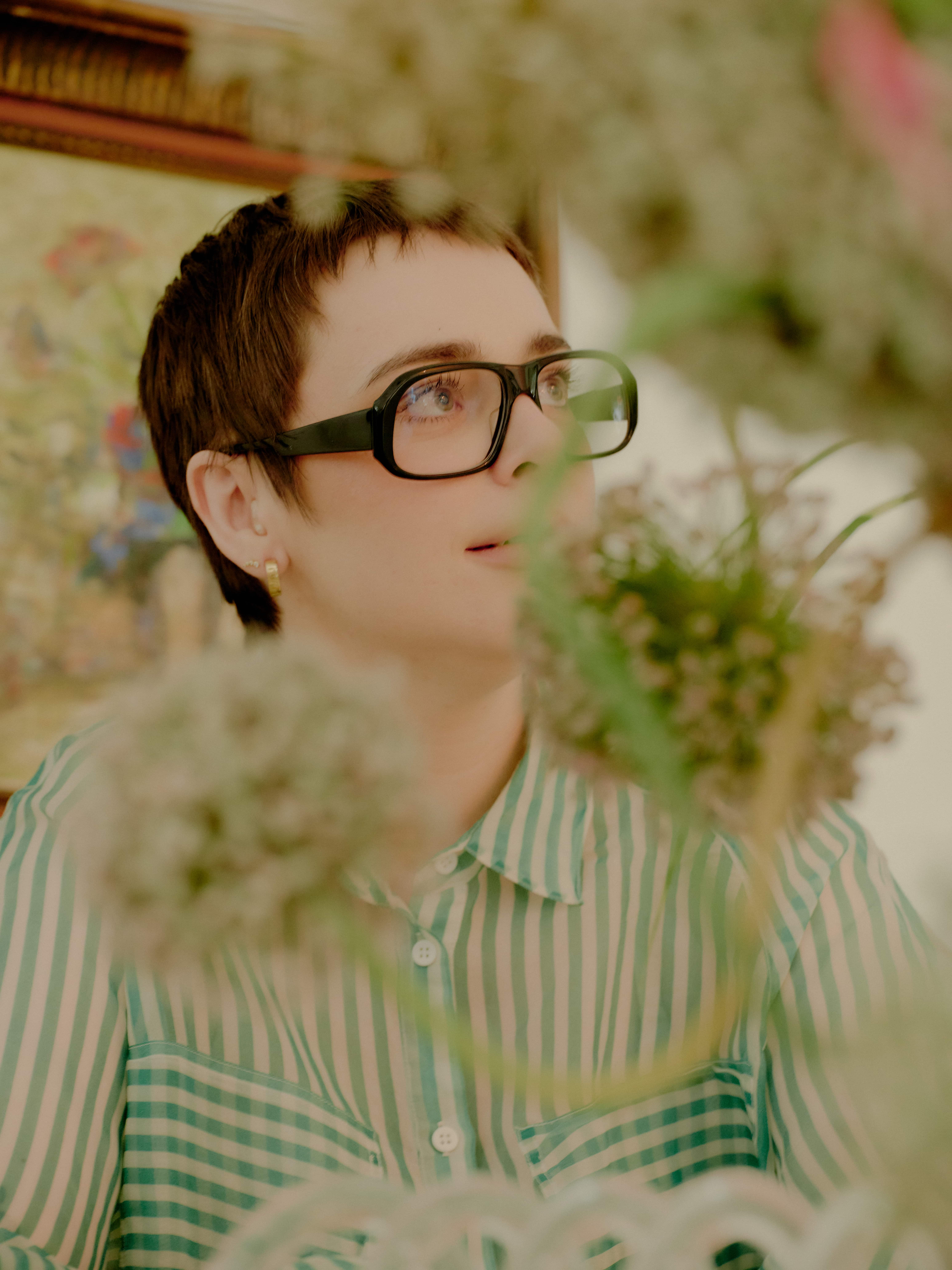
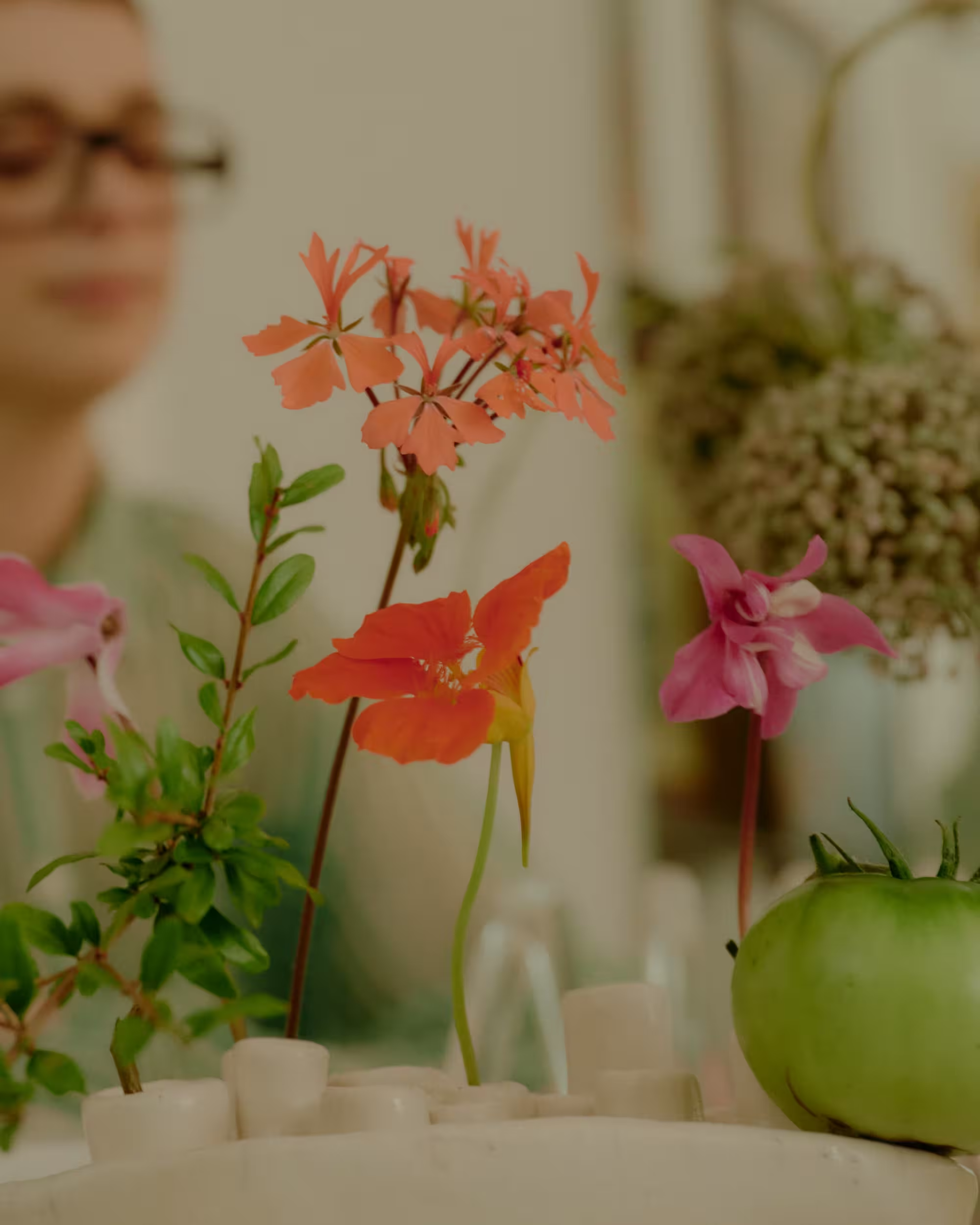
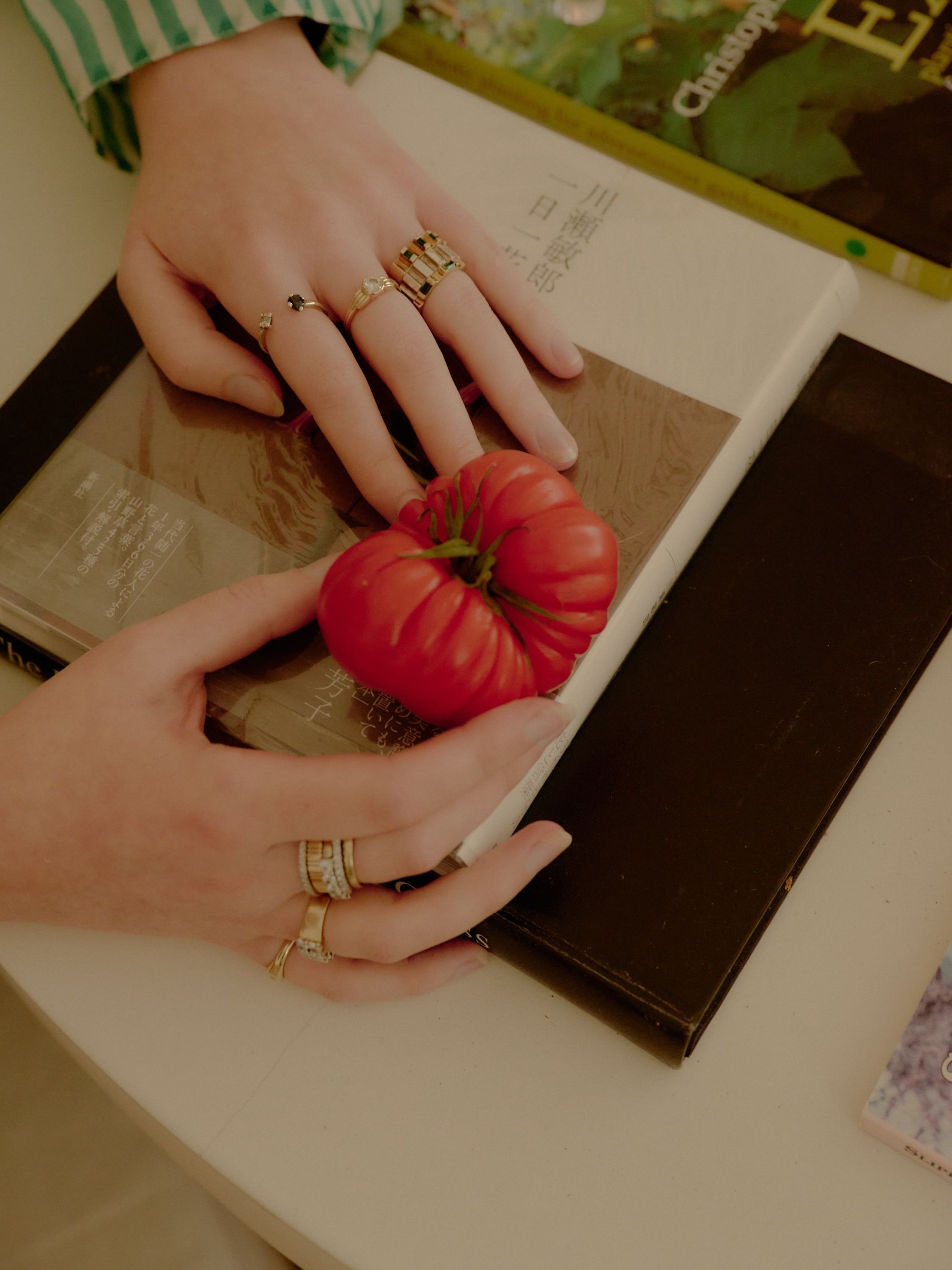
Hattie Molloy is an Australian installation artist, object maker, and creative director whose work sits somewhere between the botanical and the otherworldly. Rooted in a deep fascination with nature, process, and the surreal, her practice spans floral design, sculpture, photography, and large-scale installation. She recently left Melbourne for Daylesford, where a garden awaits and a global audience watches.
Art in three words: Art connects us to instinct, ignites imagination, and offers escape.
.avif)
On being an artist –
“I now call myself a botanical artist - and I guess I fundamentally see myself as a gardener too.”
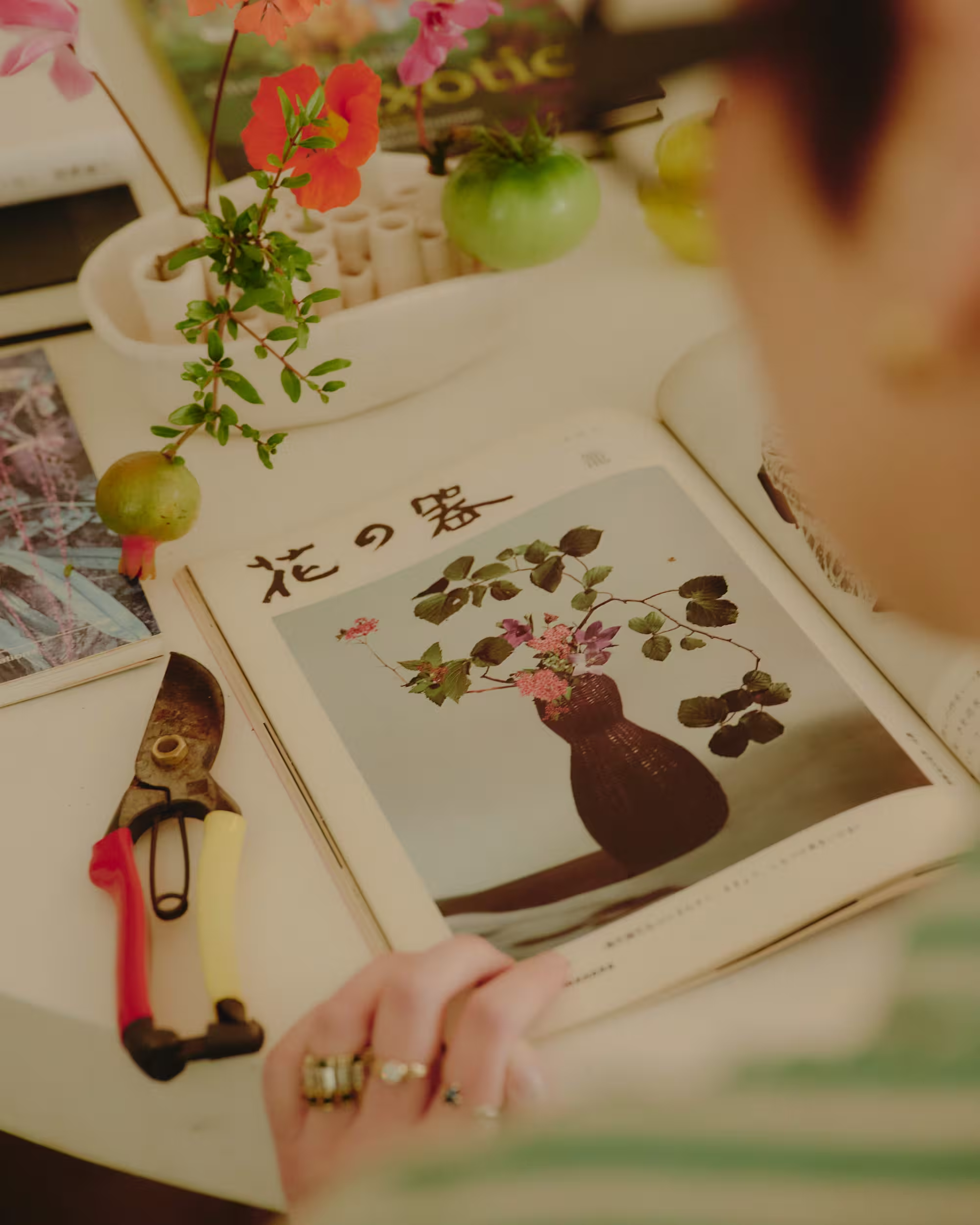
Hattie’s path into the art world was never straightforward and she was never going to stay in one lane. She began in floristry, but was always pushing at its edges, breaking beyond the traditional: large-scale installations, photography, evolving her practice in ways that didn’t fit neatly into any single discipline. For years she wasn’t sure what to call herself. “I’d always said I wanted to be a florist,” she says. “But I still struggle to call myself an artist. It’s only really been in the past couple of years that I’ve come to accept and identify as one.”
That struggle, the hesitancy to claim the word, points to something she is quietly honest about: that her biggest barrier has always been herself. “Getting in my own head has always been the biggest barrier for me.” In 2021, Hattie was diagnosed with Functional Neurological Disorder, which has significantly impacted her mobility and cognitive function. And yet, her practice has continued to grow, her reach has expanded globally, she has collaborated with major brands, and most recently brought an entire flowering meadow installation to Melbourne Art Fair, grown from seed. But even now, she says, the thing she works hardest against is her own inner critic.
On nature and change –
“I love seeing change in the botanical - how flowers, plants, and other botanical elements shift and transform. In myself too. It’s so important to continue to evolve.”
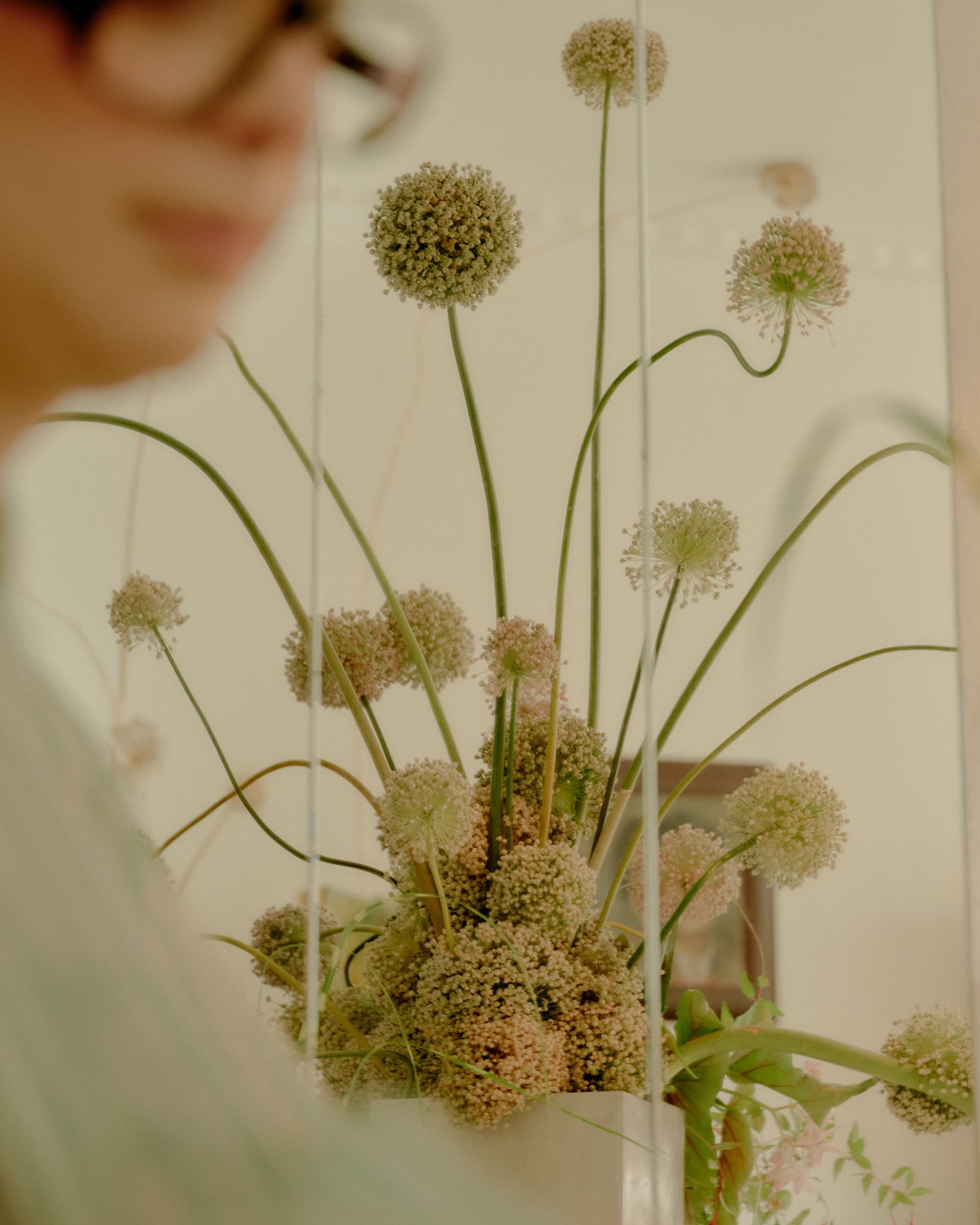
Change has always been central to how Hattie works - she has always been testing and evolving, pushing her style, trying new things. After her diagnosis, that evolution became a necessity as much as an instinct. Her capacity is unpredictable, and so the work has had to flex around that; with less bandwidth for large-scale events, she began focusing more on her vases, her objects, her photography. Her practice shifted around what she could do and in doing so, found new directions she might never have taken otherwise. She also photographs and documents as she goes - shifting perspective, reinventing and transforming the work beyond its physical form. It is all part of the same instinct: to find the process, follow the whole cycle, and see what it becomes.
Hattie has always loved gardens and gardening, approaching botanical elements in a more holistic way: from seed and soil to stem and bloom, the flower just the final product of a much longer and more interesting process. She studied permaculture alongside floristry, and that love of the full lifecycle has never left her. “I love seeing the beautiful meaning behind everyday things,” she says. “Finding the extraordinary in the ordinary, that’s always been at the heart of what I do.”
A month ago, she made another significant change: leaving Melbourne for Daylesford. Already it has shifted something. “Moving to the country has been so inspiring,” she says. “Now I’m here I have a far more intimate relationship with the seasons - the droplets on the leaves, the changing colour, the plants growing through all their different cycles. I get to see the whole form of the plant, the whole cycle playing out. Not just the final perfect bloom.” In Daylesford, she now has a garden she can access from her wheelchair, giving her the ability to grow, pick, and photograph botanical elements for her work in a way that wasn’t possible before.
On the surreal –
“I don’t want to recreate nature - you can never recreate nature. It’s about context, and changing the viewpoint. Manipulating the form. I love how weird and wonderful it can be, almost as if alien to the planet.”
.avif)
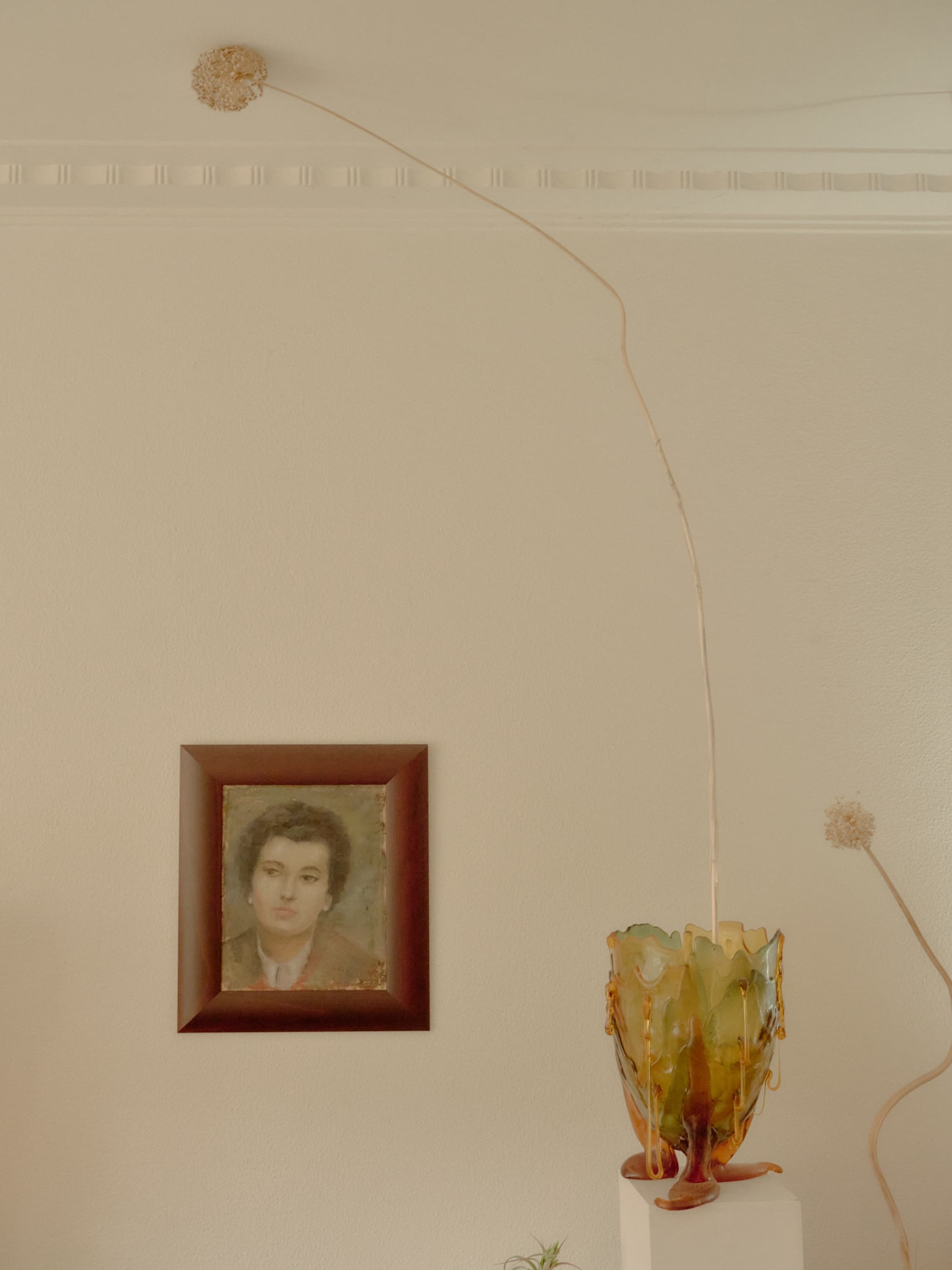
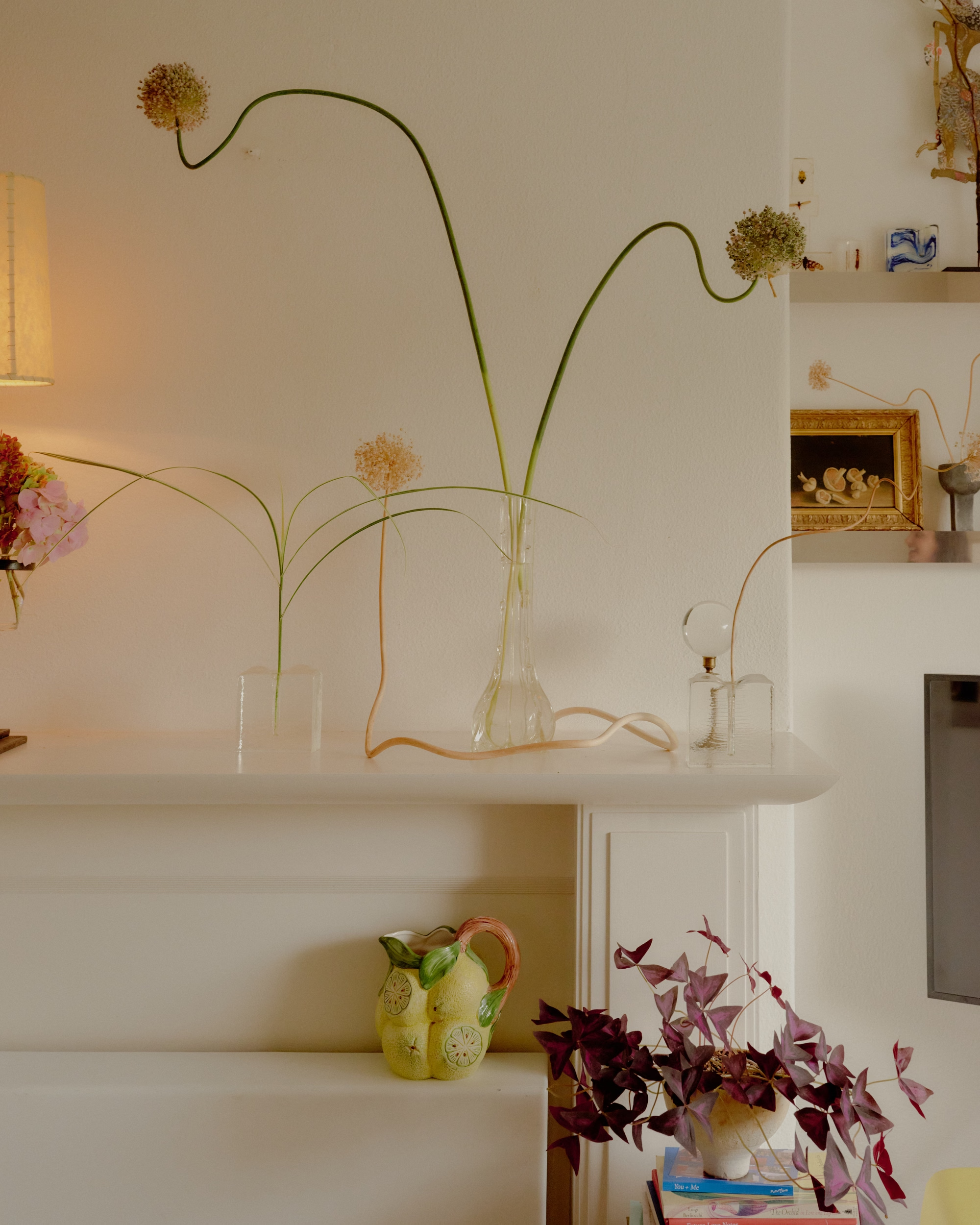
Hattie is drawn to the otherworldly, to what happens when the familiar is reframed, distorted, or placed somewhere it doesn’t belong. She loves challenging perception, transforming the ordinary into something surreal, encouraging people to see something they’ve always known in an entirely new way. The plant is just the starting point; what she’s really interested in is what it becomes.
At Melbourne Art Fair, she brought this vision to life in the VIP Lounge, growing an entire flowering meadow installation from seed, cultivated from October 2025 and carefully curated to intermingle with the art and guests of the space. Nature placed in a conditioned, climate-controlled environment: plants in a state of suspended animation, a quiet reminder of mortality and the fleeting beauty we constantly curate for ourselves. “I love seeing the nitty gritty,” she says, “the entire stage of the plant life cycle, not just the perfect manufactured final bloom.” She documented every step. It’s a way of working she wants to expand - more bodies of work built from seed up, capturing the full journey as both process and art.
On residency –
“Your surroundings really do have an impact. Sometimes you take for granted how nice it is to be a little bit removed and to focus only on what you’re doing and what’s inspiring around you.”
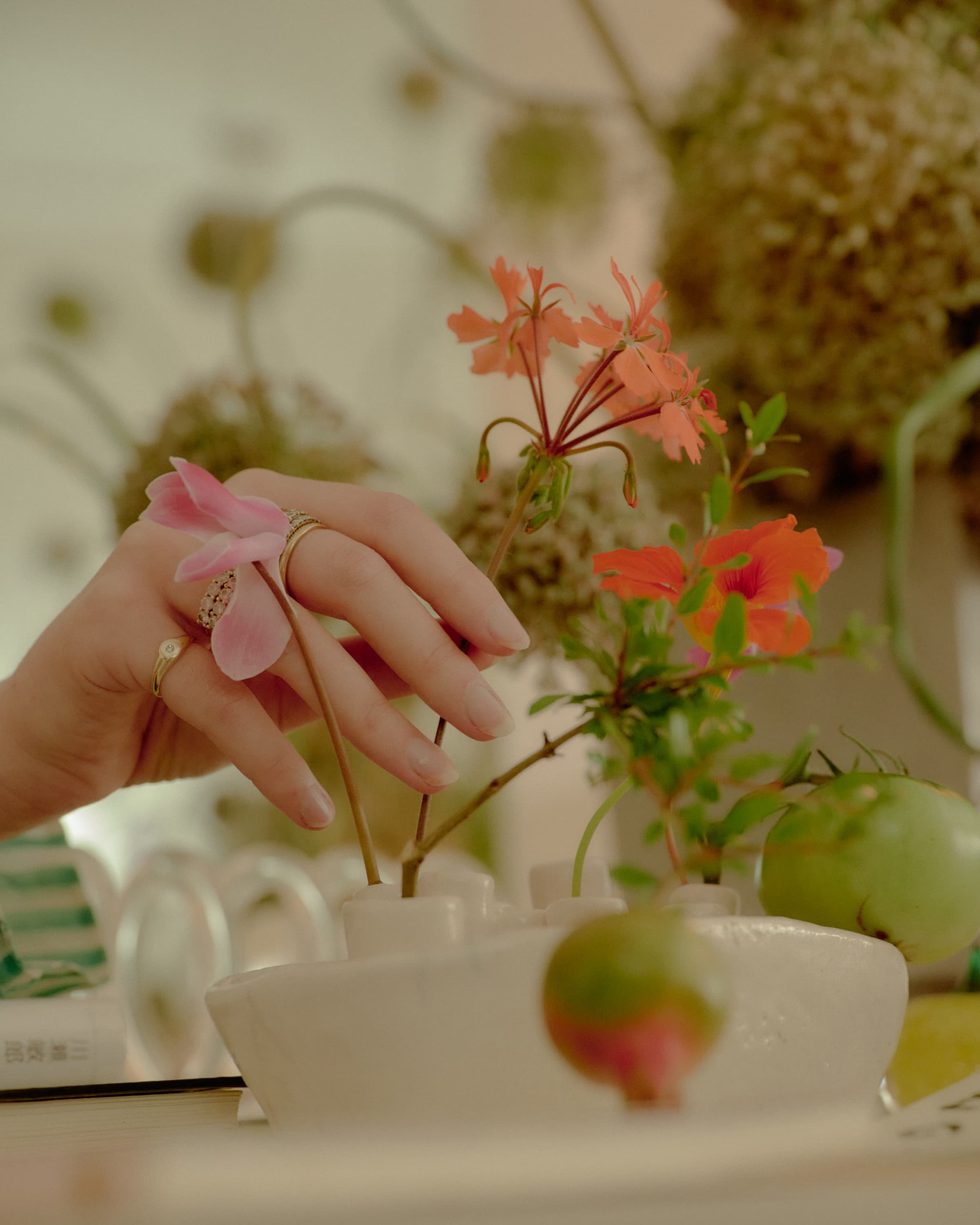
Hattie has never taken part in a residency, and she’d really love to. Access has been a real barrier - not all residencies are set up with accessibility in mind, and for Hattie, any residency would need to accommodate a carer alongside herself. Information about accessible residencies can be hard to find, and that lack of visibility makes the process even harder to navigate.
“I’d really love to take part in one,” she says. “It would be nice to think that’s a possibility - to take time away from my regular routine.” The desire is absolutely there. Change, she has learned, is one of the most generative forces in her practice - and a residency, with its new surroundings and uninterrupted time, feels like exactly the kind of shift that could further open things up.
See more of Hattie's work - here
All photography courtesy: Pier Carthew