← Back
Share →
Christopher Myles Henderson
Painter, teacher, advocate.
Artist Talk is a series by Densi where we speak with artists about the intersections of life and practice. As artists ourselves, these conversations are an ongoing way of understanding how creativity takes root, and how we can continue to cultivate its power.
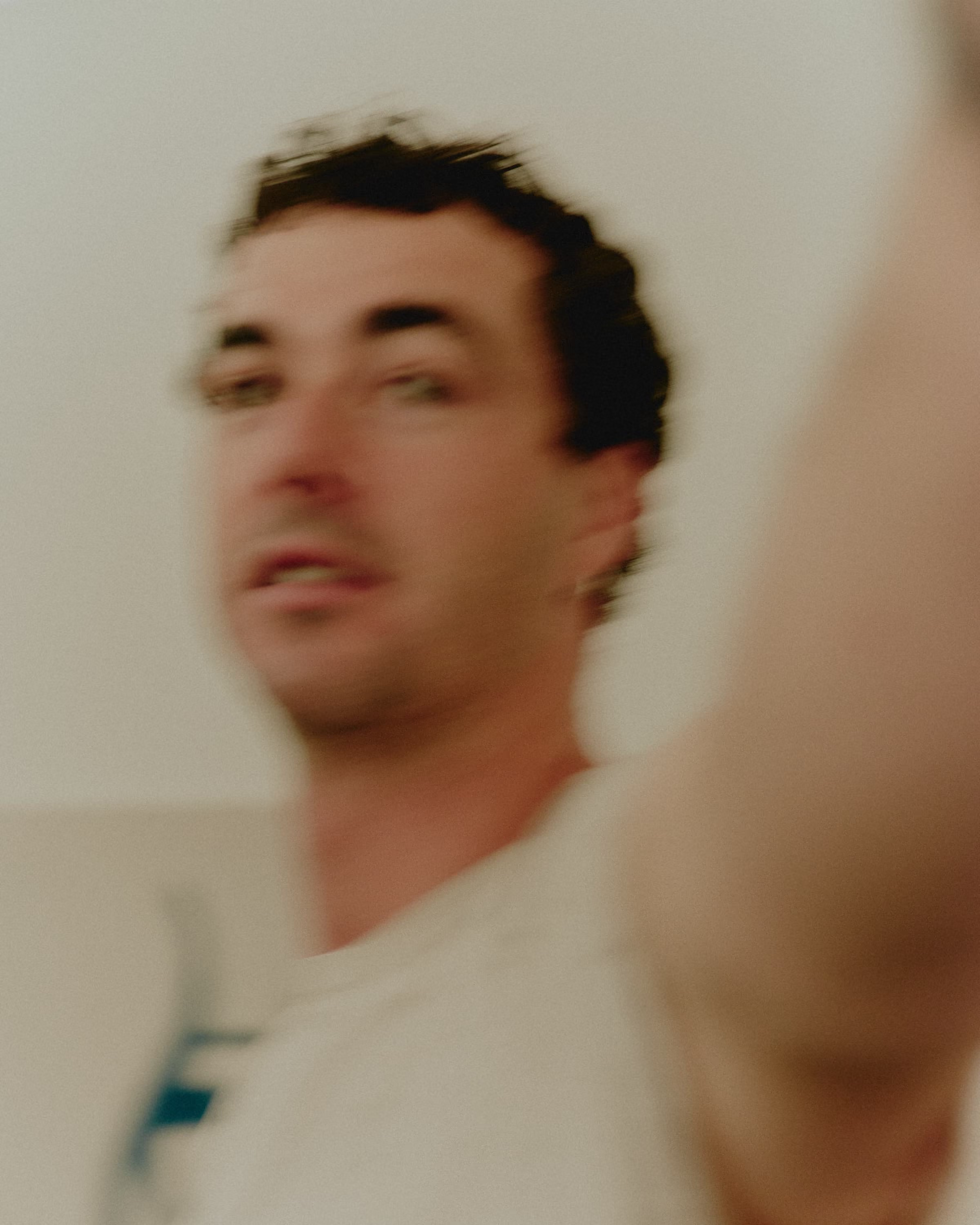
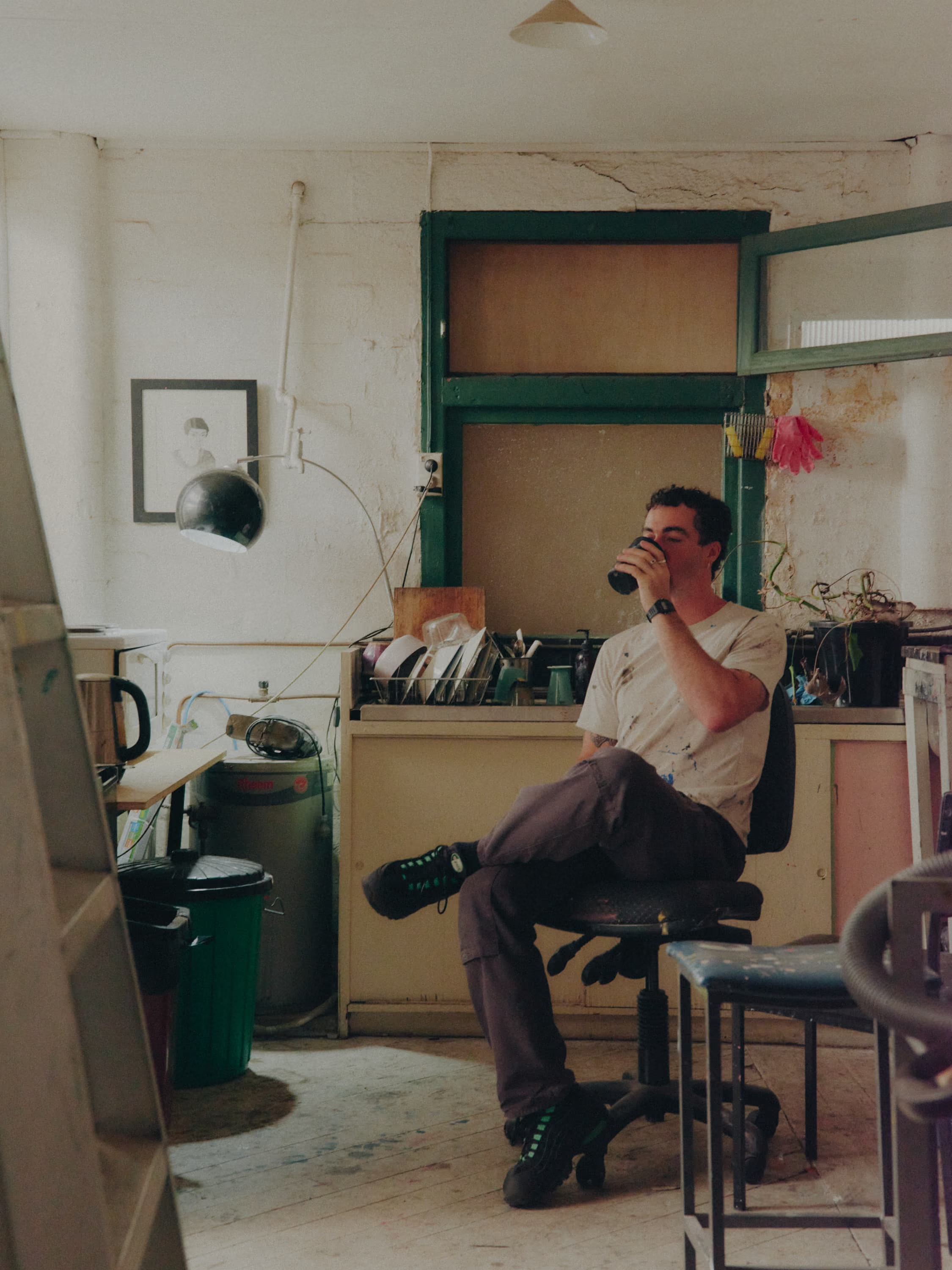
Melbourne-based painter Christopher Myles Henderson has always followed his instincts. Rooted in a rural upbringing, his practice is built from the materials closest to hand, the experiences that have shaped him, and a willingness to let the work go wherever it leads - using what he calls a “symbolic language to translate the unspoken into form.” His upcoming exhibition Allegedly - incorporating sculpture and one thousand drawings of the same car, shaped by three years teaching art inside a youth prison - asks hard questions about access, systemic failure, the role of the media, and where we choose to put our money as a society.
Art in three words: Build, break, play.
On beginnings –
“I was always drawing and making as a kid. I spent a lot of time with my nana and pop while my mum was unwell. My nana is a painter and my pop was a builder, so I was drawing with her and making things with him.”
Chris grew up in a rural setting, with a mechanic for a dad, a nurse for a mum with a passion for art, a nana who painted, and a pop who built things with his hands. Drawing was the first thing he felt proud of, though he didn’t think too much about it at the time. In school, it became the thing he’d reach for when he couldn’t follow what was going on: a way of being somewhere else, something he just did.
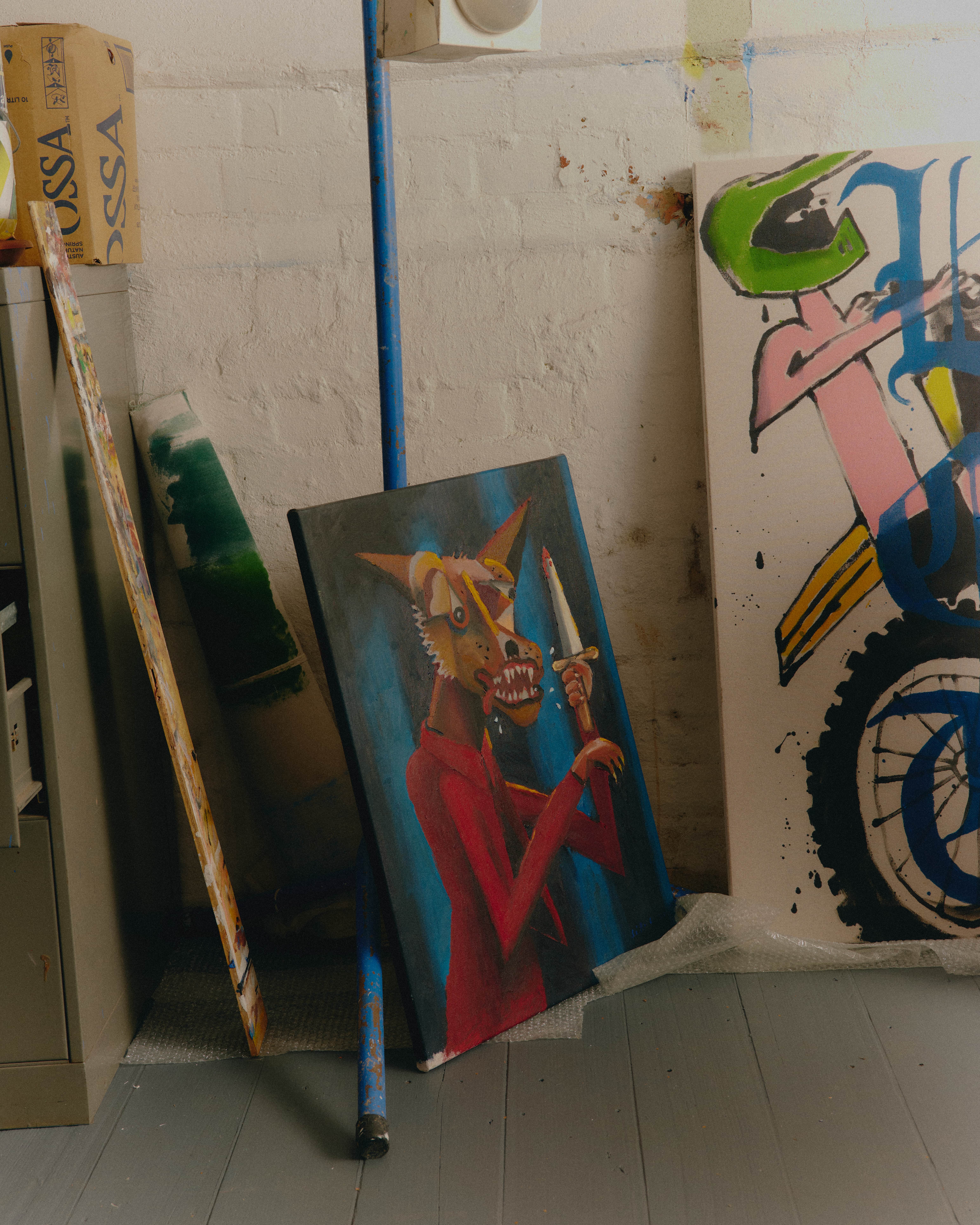
Entry into the art world was less straightforward. There was imposter syndrome, comparison, harsh self-judgement. But something loosened when he stopped trying to be consistent in the way he’d been told he should be. “I find it hard to stay in one style or theme over and over,” he says. “I know that builds a clearer ‘brand’, especially in this weird online world - but I think that’s pretty limiting.” Looking back across the body of work, a thread is visible, it just wasn’t obvious in the middle of it.
He’d rather make mistakes and follow weird tangents. “That feels more fulfilling, life’s too long to make the same thing over and over again” he says - laughing - “As I’m drawing 1000 cars.”
On experimentation –
“Once you realise there aren’t really any rules, you can start making things up as you go. If something works, you follow it.”
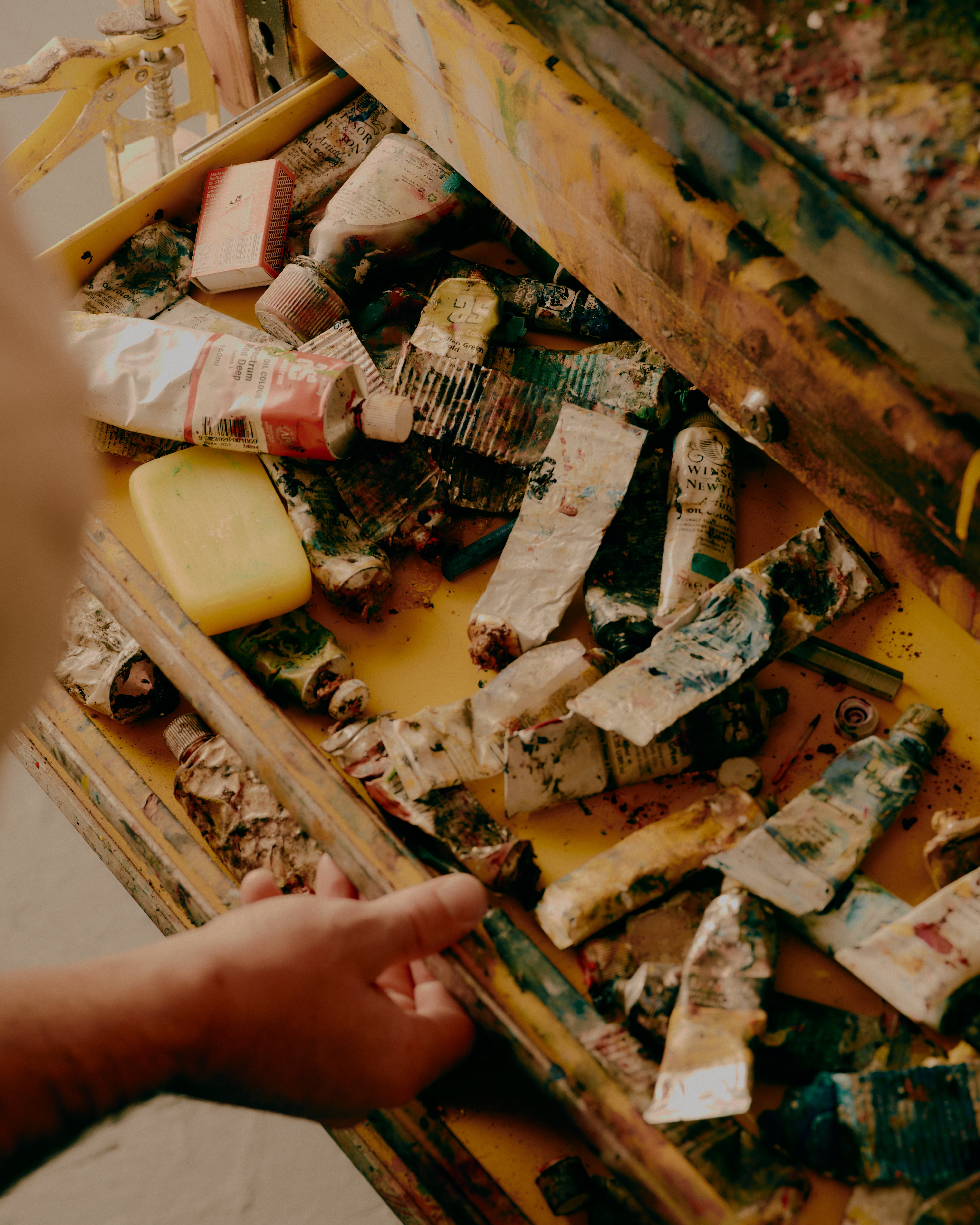
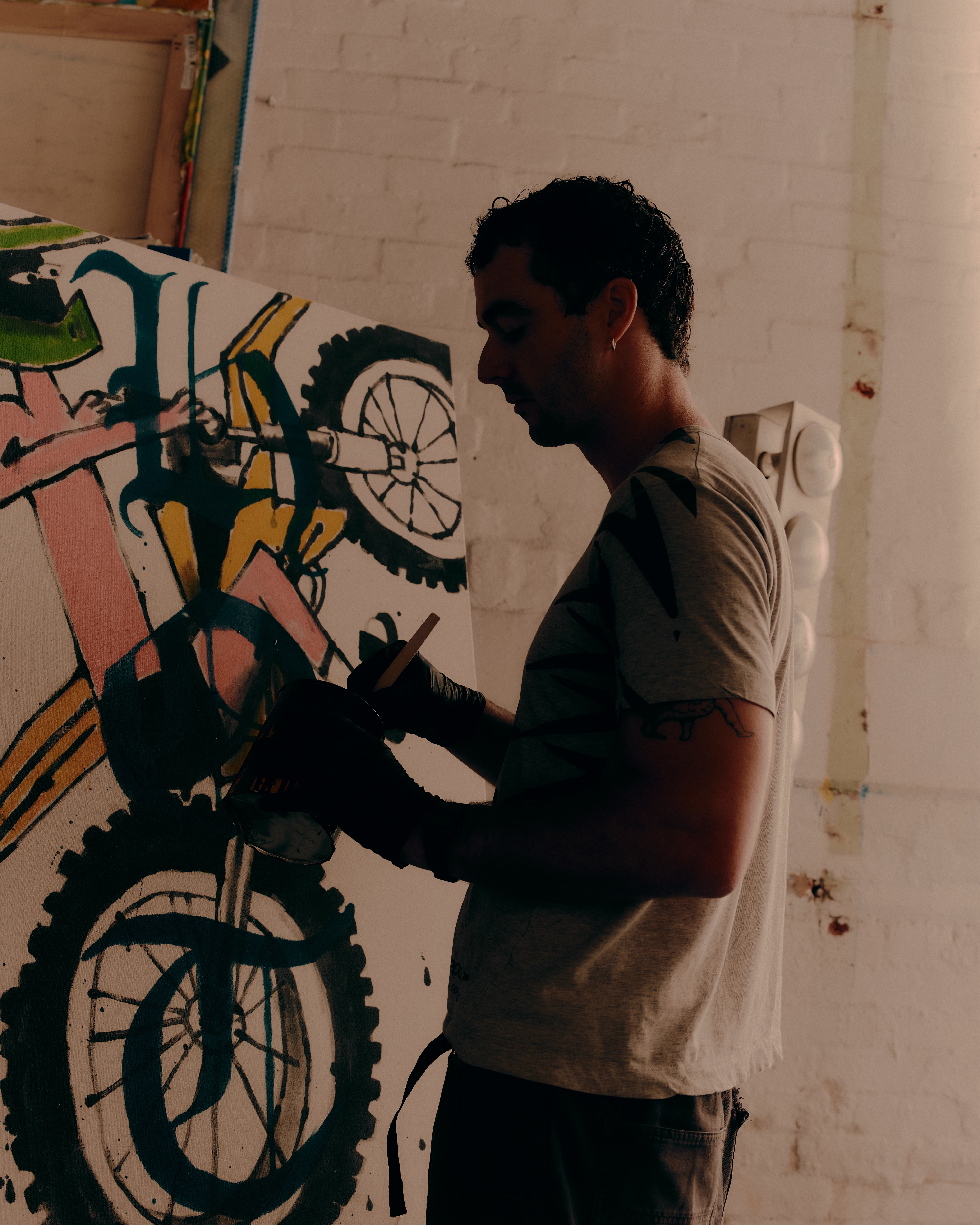
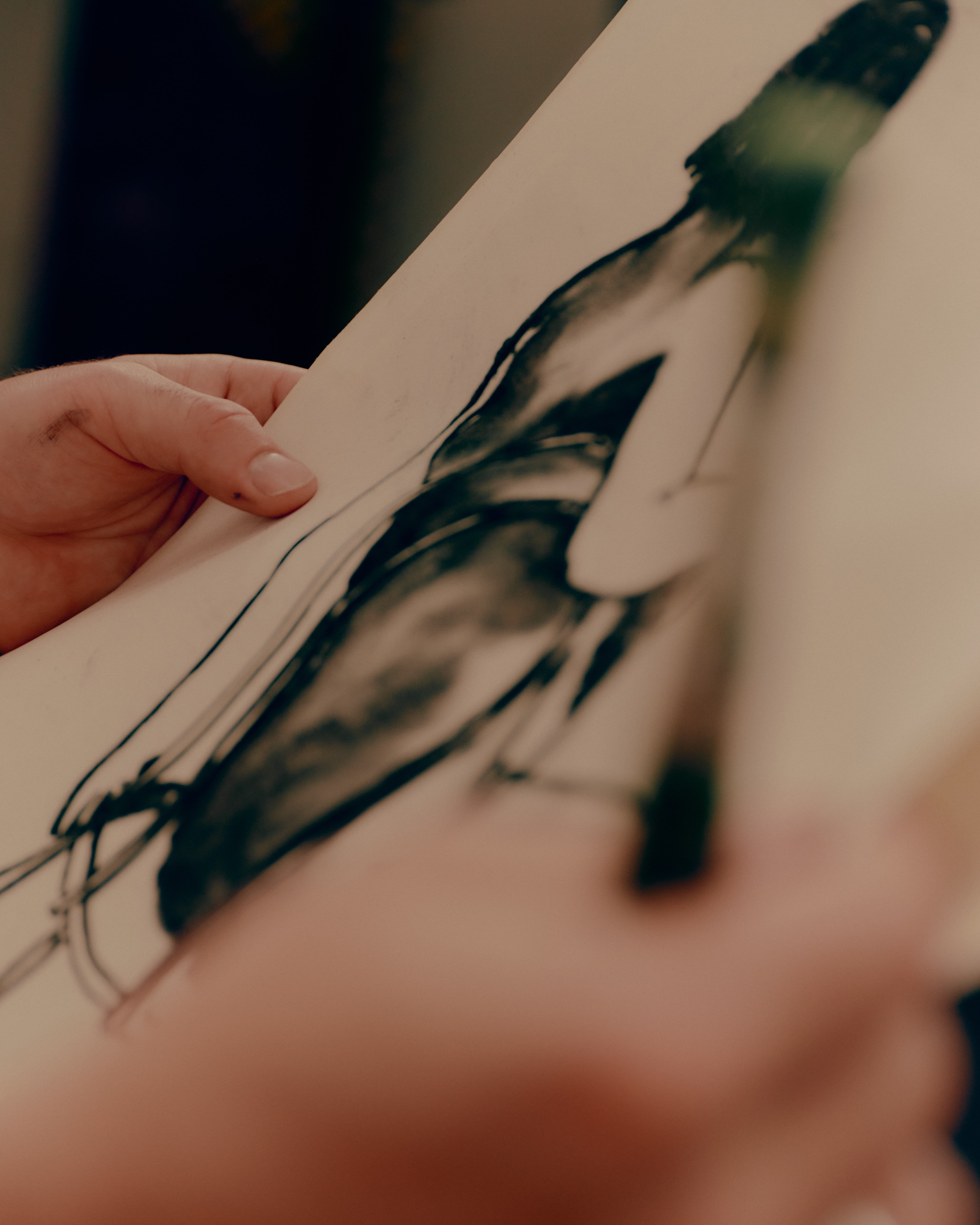
For Chris, play is central. His use of materials is driven by a preference for things that are accessible and direct - oil paints were expensive, so he grabbed enamel from the hardware store. Brushes designed for house painting are easier to clean, so those too. What started from pragmatism became something more loaded: enamel is car paint. And here he is, painting cars with it.
There are other small loops closing in the work - his dad the mechanic, the childhood hatred of cars. When he painted onto a wider tread canvas than he’d used in the past, he noticed an image came through from the other side. He’s now trying to make the images transfer. These little links keep happening, and he follows them.
Not going to art school helped here too. Without the pressure of how things are “meant” to be done, the practice has stayed freer. “I think it comes from not taking things too seriously,” he says. “At the end of the day, we’re just pushing medium around on a surface - and when you strip away the pressure of doing things properly, it opens things up.”
On access –
“That’s why I keep coming back to this idea of access. Access to money, to support, to opportunity, to different pathways. When that’s not there, it shapes everything.”
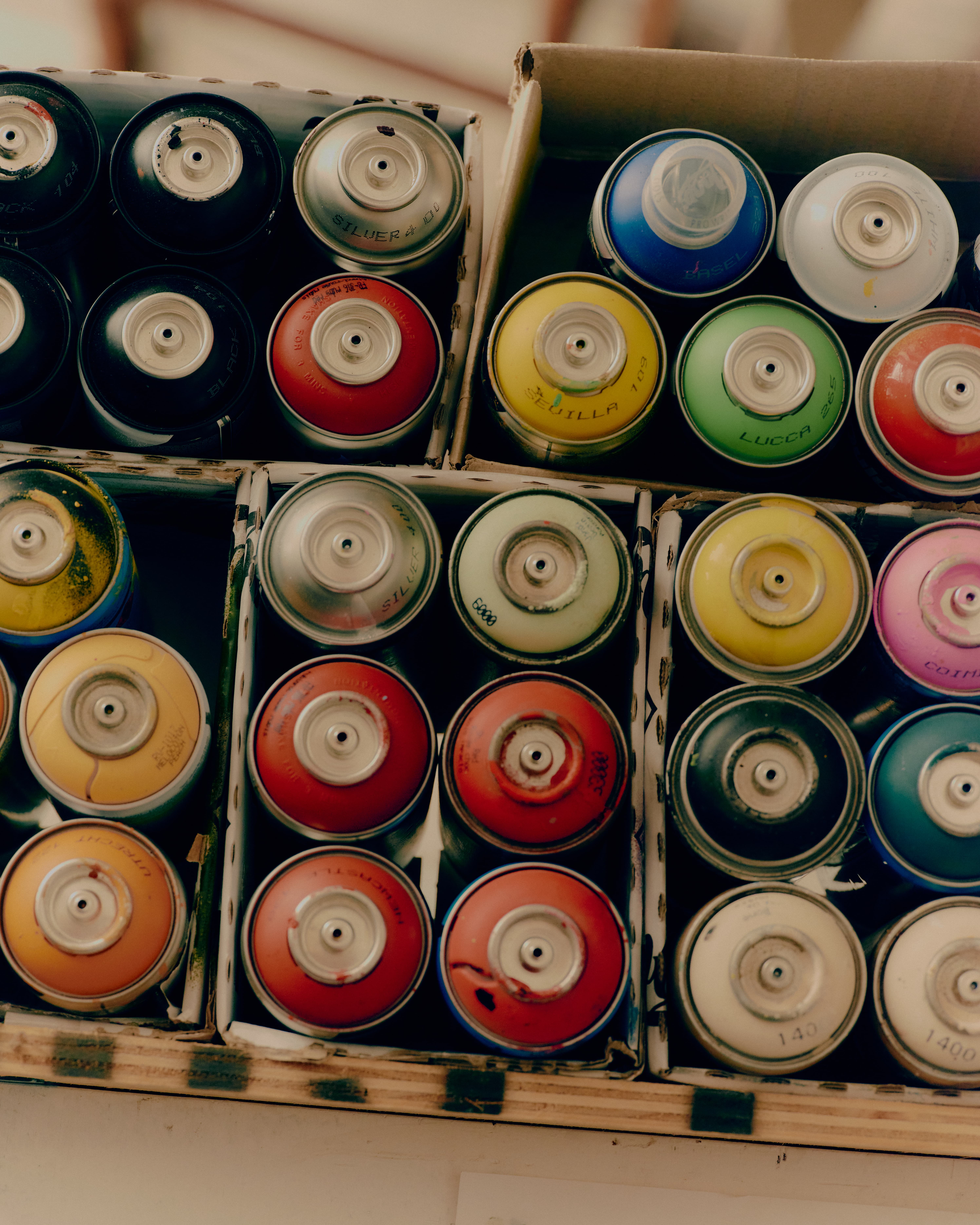
For three years, Chris taught art inside a youth prison - an experience that has profoundly shaped both his practice and his outlook. He went in knowing something about making; he came out knowing something about the system. The boys he worked with were there, many of them, for stealing cars. He saw young people cycling in and out, returning again and again, and raw original work come out of that room with an energy he rarely encounters elsewhere. “I met some really interesting lads and saw some seriously dope art. If they were moving in the same circles I move in now, they would absolutely pop off.”
One conversation has stayed with him: a discussion about how much it costs the state to keep a young person incarcerated in Victoria for a year. The whole room went quiet. Then the boy looked up and said: “Imagine giving my mum that much once. I’d never be locked up again. I wouldn’t need to do crime to support my family.” “Just how simply it was put,” Chris says. “And he was completely right.”
On ‘Allegedly’ –
“Making 1000 drawings is meant to feel excessive and overwhelming. Even that number isn’t close to the amount of Holden Commodores stolen each year - which kind of puts things into perspective.”
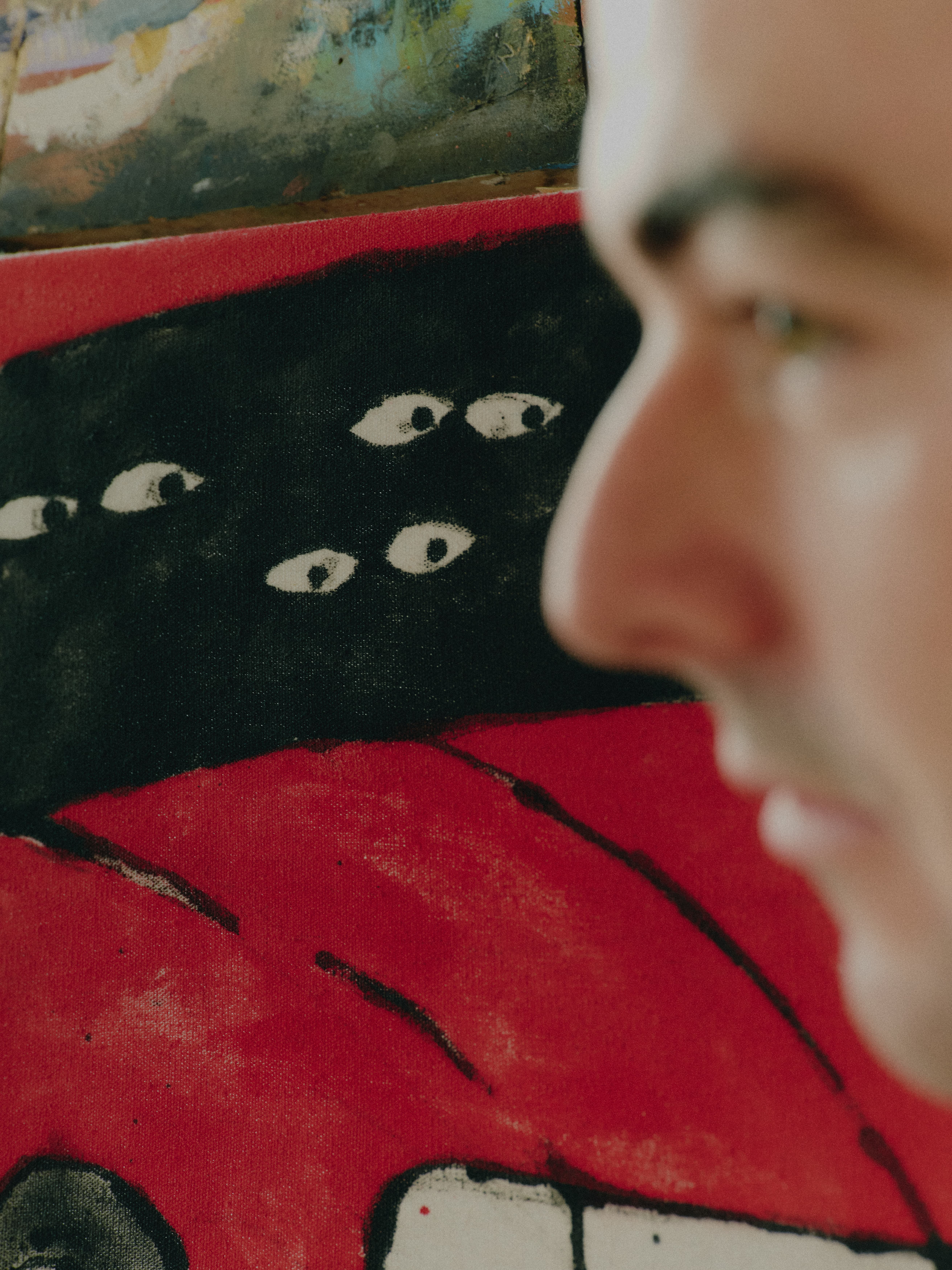
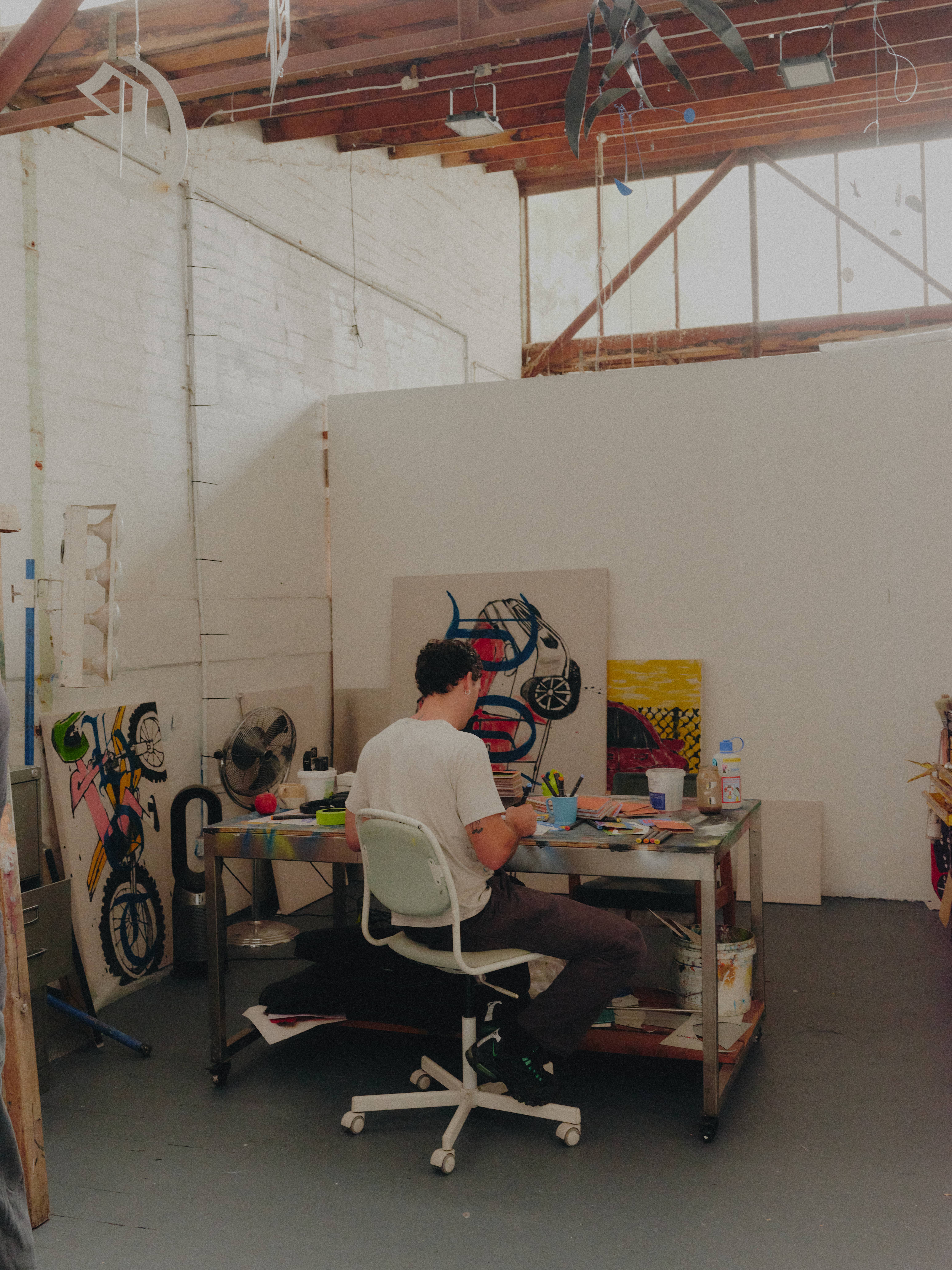
Chris has a show opening in July. Allegedly is built around repetition and limitation - drawing the same thing over and over again. “For me that connects more to the idea of doing time, and the restrictions of that environment.” The work is centred around youth crime and what it means to actually see the people inside the statistics. “The media plays a massive role in shaping perception,” he says. “I’m trying to balance that - to offer a perspective from someone who’s actually spent time with the boys.” It’s a critique of how money continues to be spent in ways that keep people stuck in cycles, instead of being reinvested into communities to repair things and build better lives.
“Seeing so many young people come and go, and then come back again - it hurts, because they all have so much potential.”
On residency –
“Time away from normal life is so good for creating. It’s almost like you give yourself full permission to lock in and think properly, to go deep into ideas without the day-to-day stuff getting in the way.”
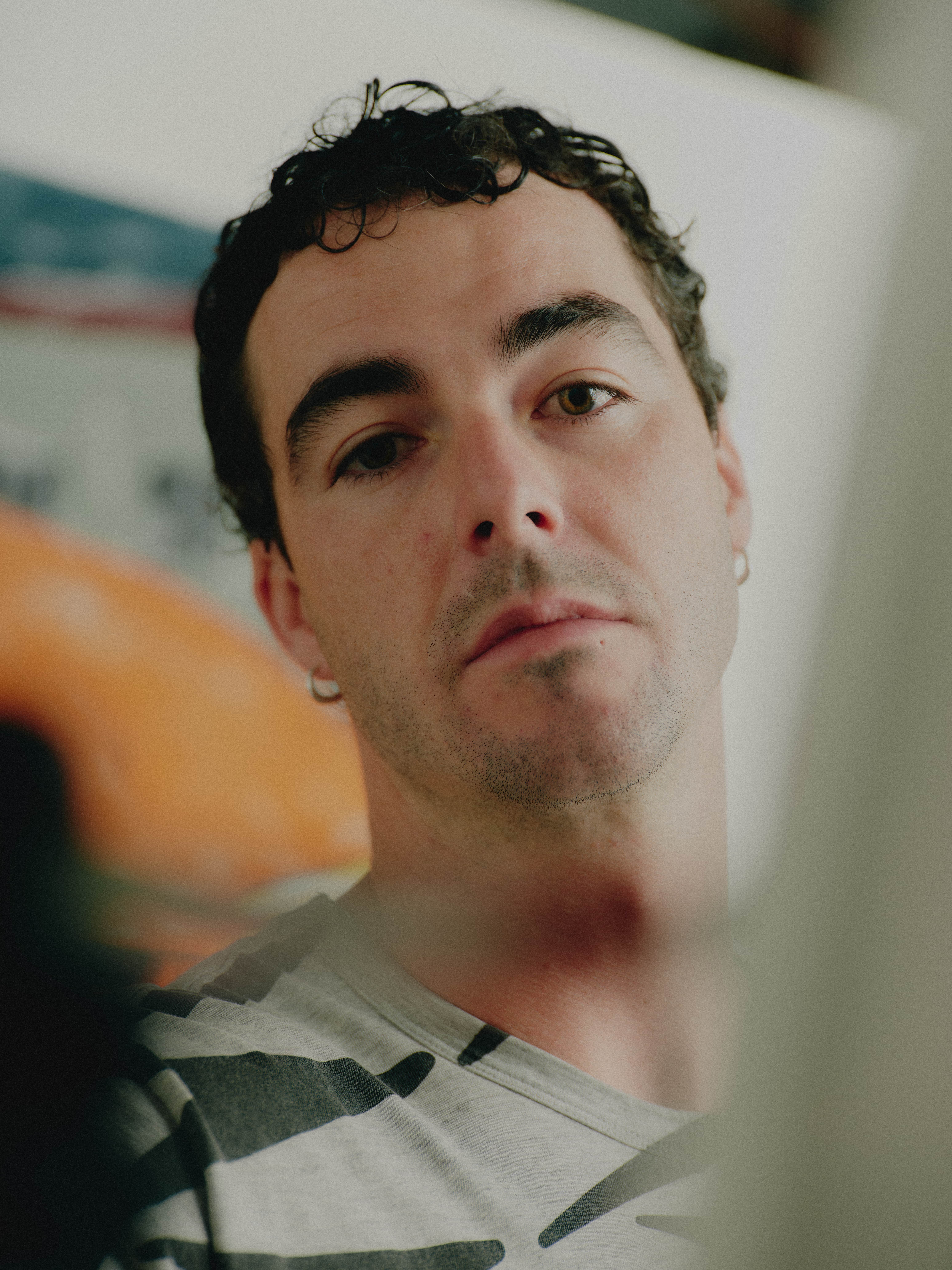
A recent residency took Chris to the west coast of Tasmania, to an old mining town that was weird and wonderful. He ate at strange hours, worked until 3am, painted before breakfast. Almost zero human interaction. Just created.
He came to it from a feeling of being stuck - asking friends, searching, applying for a few things. He’d known about this one for a while and missed the window before, but the timing finally came good. “Getting in is always such a nice feeling and something to look forward to. Residencies are so important for me - just to mix things up and reset.”
See more of Christopher's work - here
All photography courtesy: Pier Carthew